
The Olive Harvest in Southern Italy: When It Begins, What New Oil Is, and Which Oil to Use for What
The rustle of nets spread beneath the olive trees, the patter of olives falling each time a branch is shaken, the scent of the olive mill… This is the olive harvest: the few weeks in which a year of work in the grove is decided, and when families across Southern Italy wait for the first bottle of new oil, olio nuovo, to pour over bread still warm from the oven.
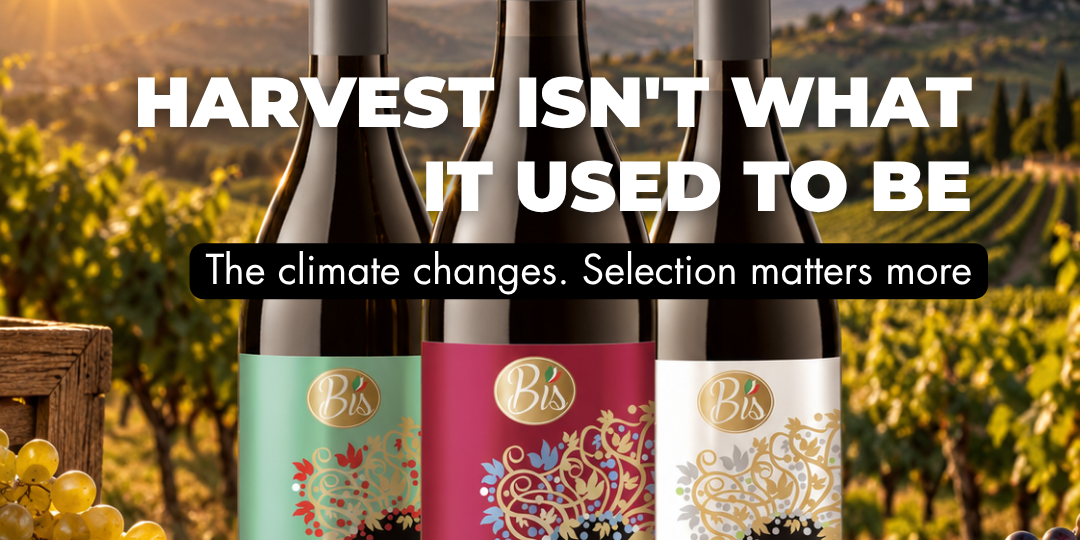
As with the grape harvest, no two seasons are ever alike. For the 2026/2027 season, industry estimates point to an “off” year, with Italy’s national output expected to fall by roughly a fifth. Fewer olives on the branches means one thing: choosing well matters more than ever.
When Does the Olive Harvest Take Place in Southern Italy?
In inland Campania, from the hills of Irpinia to the Sannio, the olive harvest begins in mid-October and can continue into December, depending on altitude, variety and the course of the season.
Where the climate is milder, picking starts earlier; on the higher hills, growers wait a few weeks longer. Timing is no mere detail: it is the choice that defines the character of the oil.
- Early harvest. Olives picked green or at invaiatura (the moment the skin begins to turn violet) yield less oil, but oil that is more aromatic, bitter and peppery, rich in polyphenols and longer-lasting.
- Late harvest. Ripe olives yield more at the mill, but the oil becomes softer and sweeter, and loses some of its freshness.
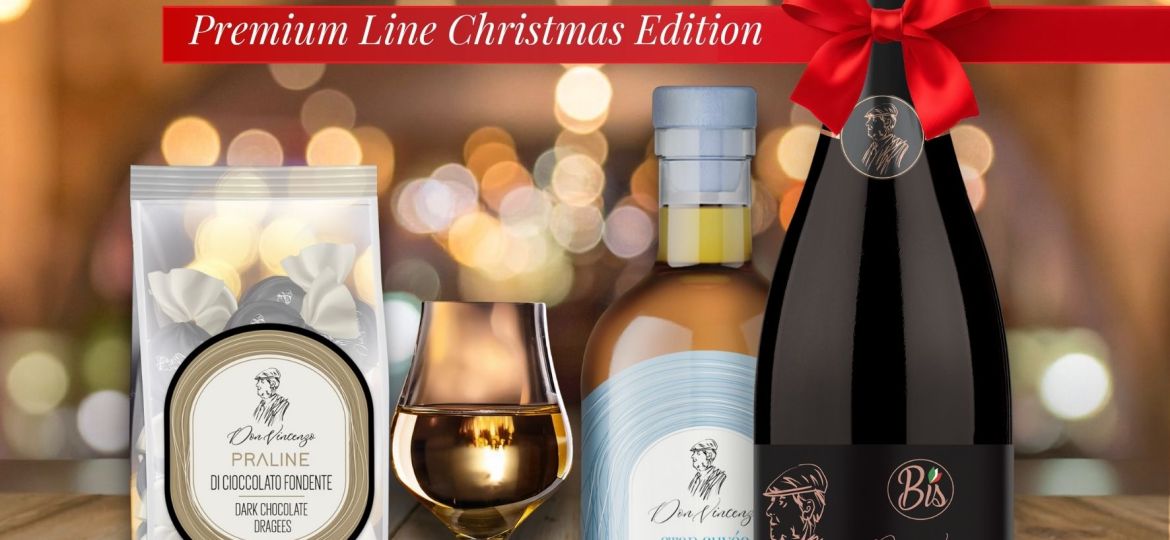
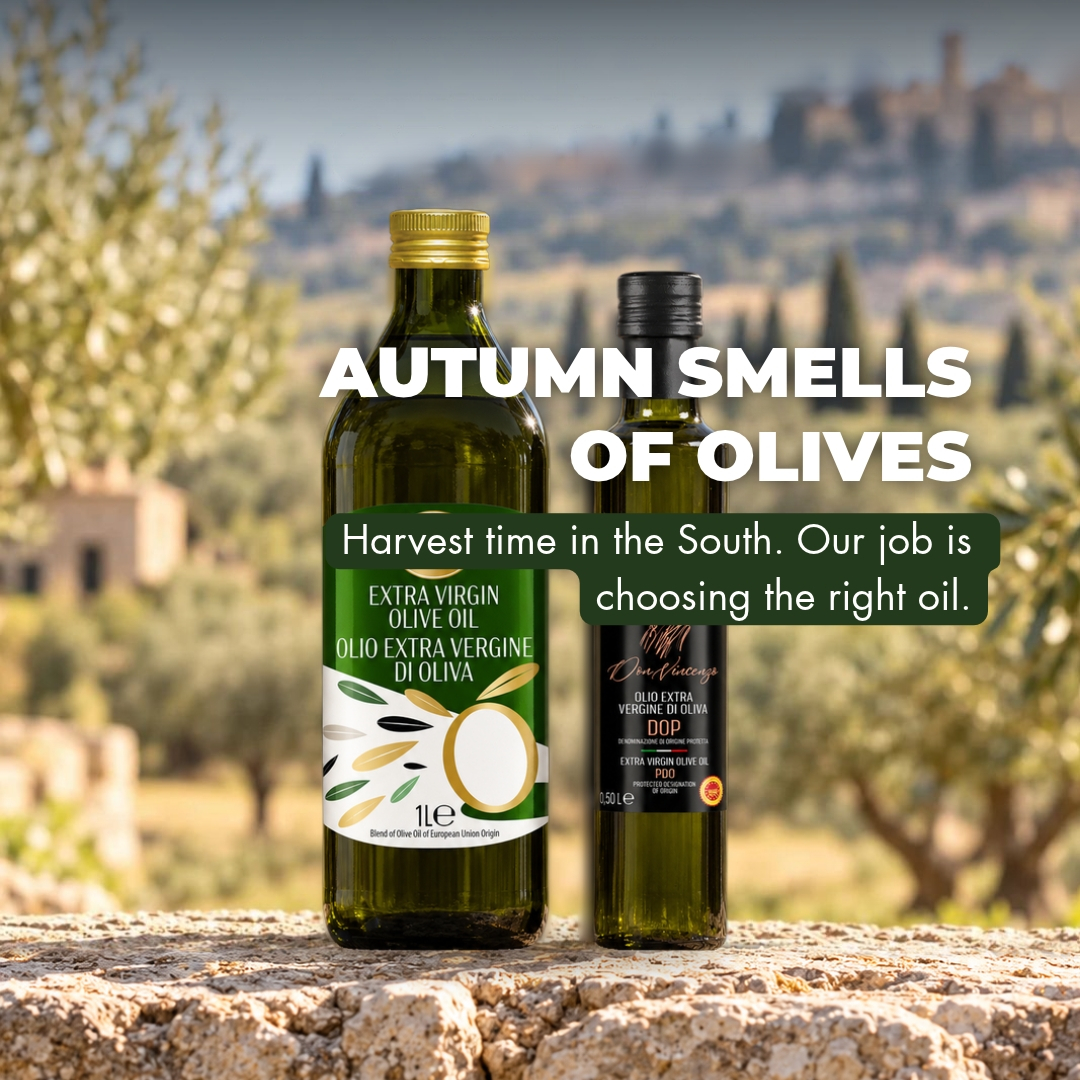
What happens next matters too. Olives should reach the mill as soon as possible, ideally within a few hours of picking: the longer they wait, the greater the risk of fermentation. For Don Vincenzo DOP Colline Salernitane Extra Virgin Olive Oil, for example, the olives are hand-picked and pressed the very same day.
New Olive Oil
New Olive Oil is extra virgin olive oil in its first weeks after milling: oil at its most alive. Your senses are all you need to recognize it.
- The color. Deep green, sometimes with golden glints. It is often cloudy, because it has not yet been filtered.
- The aroma. Freshly cut grass, tomato leaf, artichoke, green almond.
- The bitterness and the bite. That peppery tickle at the back of the throat and the bitter note on the tongue are not flaws: they are the signature of polyphenols, the olive’s natural antioxidants, and the surest sign of freshness. Over the months they soften, and the oil grows mellower.
Precisely because it is so alive, new oil is delicate. It fears three things: light, heat and air. Store it in the dark, in dark glass bottles or tins, never in clear containers exposed to light; somewhere cool, ideally between 14 and 18 °C (57–64 °F); away from the stove; and tightly sealed, because oxygen ages it.
If it is cloudy, it is best enjoyed within the first few months: over time, the suspended particles may affect its flavor.
Which Oil to Use for What
In the kitchen, no single oil is right for everything. There is a right oil for every recipe.
Extra virgin olive oil is the king of the table and the cooking oil par excellence of the Mediterranean tradition, used for soffritto (the gently sautéed base of so many Italian dishes), sauces and oven cooking. Raw, it is irreplaceable: on bruschetta, beans, soups, fish and vegetables. New oil, in particular, should be kept for raw use: heat would dull its aromas.
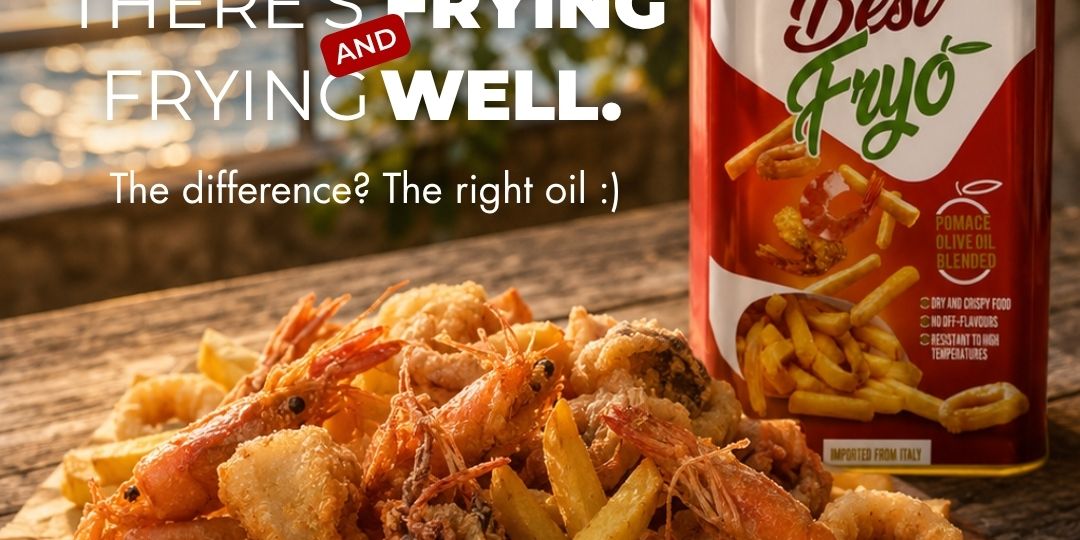
Many people ask what the difference is between extra virgin olive oil and olive pomace oil. Extra virgin is obtained solely by mechanically pressing the olives. Pomace oil comes from what is left behind (the pomace, or sansa: skins, pulp and fragments of pit), from which the residual oil is extracted, then refined and blended with a portion of virgin olive oil. Pomace oil retains the olive’s fat profile, has a more neutral taste and, above all, holds up well at high temperatures. That makes it an excellent frying oil: dry, crisp results that never mask the flavor of the ingredients. We explore this in detail in The Italian Art of Frying: Why the Right Oil Makes All the Difference.
Grapeseed oil is pressed from the seeds of grapes. Light, pale and almost flavorless, it is the oil to choose when it shouldn’t be noticed: in homemade mayonnaise, in cake batters or in a delicate marinade.
Infused oils are extra virgin olive oils enriched with a single, distinct aroma: lemon, chili, garlic, truffle, basil or rosemary. They are not for cooking but for finishing: a drizzle over a pizza fresh from the oven, a carpaccio, a plate of pasta or a bean soup.
| Oil | When to use it | Why |
| Extra virgin olive oil | Raw and in cooking: dressings, soffritto, sauces, oven. New oil raw only | Aroma, flavor, polyphenols |
| Olive pomace oil | Frying | Holds up to high heat, neutral taste |
| Grapeseed oil | Mayonnaise, baking, marinades | Light, almost flavorless |
| Infused oils | Raw, at the end of cooking | Add a distinct aroma |
How We Choose Our Oils
Best Italian Selection does not produce olive oil: we select it. It is a distinction that matters to us, because every oil in our portfolio is the result of a carefully considered choice.
Before we present an Italian product to an importer or distributor, we put it through five checks:
- We taste it.
- We make sure it delivers the same quality with every order.
- We check that its packaging suits the country where it will arrive.
- We verify that its shelf life fits the time it will spend in transit and on the shelf.
- We support it with everything it needs to be exported: documentation, logistics and market knowledge.
For olive oil, the fourth check weighs most of all. Light, heat and time become decisive when a bottle crosses an ocean. An extra virgin olive oil that travels for weeks must reach the shelf as fresh as the day it left the mill.
The olive harvest is where this journey begins: the moment when quality is decided on the tree and at the mill, today more than ever, when every season differs from the last.
Different oils, one selection that carries them far.
Explore our selection in the catalog. Contact us for more information.